Mold, Mildew & Odor Removal in Northern Virginia
Professional mold remediation, mildew cleanup, and odor removal in Manassas and throughout Northern Virginia. Walker’s helps address affected areas, eliminate persistent odors, and restore cleaner, fresher indoor environments with dependable service and 24/7 emergency response.
Get Fast Help From the Restoration Experts
Mold, mildew, and persistent odors can develop due to excess moisture, water damage, or poor ventilation, affecting the comfort and condition of your home or business. When these issues arise, Walker’s Restoration is ready to help with professional mold, mildew, and odor removal services. Our experienced team works to address affected areas, reduce lingering odors, and help restore a cleaner, fresher indoor environment for your property.
IIRC Certified Restoration Professionals
Walker’s is committed to following industry-recognized standards for cleaning and restoration. Our IICRC certifications, including Applied Microbial Remediation Technician (AMRT), Odor Control Technician (OCT), and Water Damage Restoration Technician (WRT), demonstrate professional training in mold remediation, odor control, and moisture-related restoration. These qualifications help ensure that mold, mildew, and persistent odors are addressed using proper procedures, professional equipment, and industry-recognized techniques.
Trust trained professionals to help restore your property safely and effectively.

Complete Mold, Mildew & Odor Removal Services
Mold & Mildew Treatment
Treating Mold and Mildew in Affected Areas
Mold and mildew can develop when excess moisture remains on surfaces or within building materials. Walker’s provides professional mold and mildew treatment to address affected areas and support a cleaner indoor environment. Treatment methods depend on the extent of the growth, surface type, and moisture conditions present.
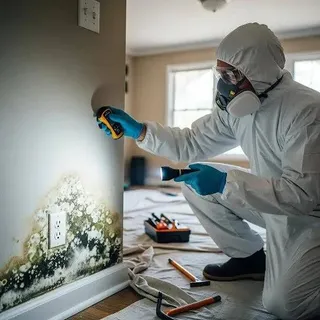
HEPA Filtration & Microbial Cleaning
Capturing Fine Particles During Professional Cleanup
Mold-affected areas may contain particles that can become airborne during cleanup. Walker’s lists HEPA filtration and microbial cleaning among its emergency restoration services. These methods can help capture fine particles and clean affected areas as part of an appropriate remediation process, depending on the conditions and materials involved.
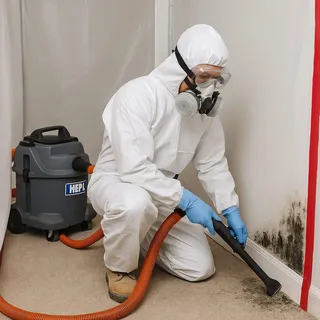
Mold-Contaminated Surface Cleaning
Cleaning Affected Walls, Floors, and Other Surfaces
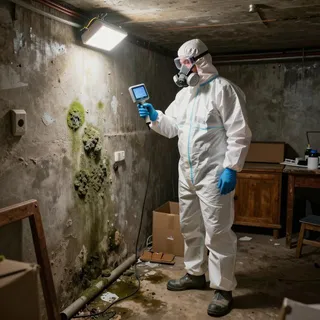
Mold and mildew can leave visible discoloration and residue on walls, floors, and other surfaces. Professional surface cleaning helps address affected areas using methods suited to the materials and level of contamination. When mold has penetrated porous materials or caused significant damage, additional remediation or material removal may be necessary.
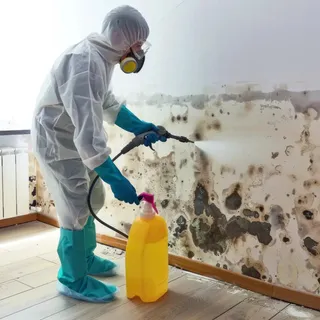
Indoor Air Filtration & Purification
Supporting Cleaner Air During Restoration
Airborne particles and lingering odors can affect indoor spaces following moisture problems or microbial growth. Walker’s lists air purification and HEPA filtration as part of its microbial and odor-control services. Appropriate filtration equipment can help capture airborne particles during cleanup and support a cleaner indoor environment.
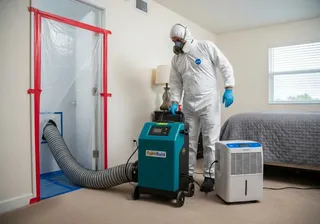
Mold & Mildew Odor Removal
Addressing Musty Smells at Their Source
Persistent musty odors can indicate excess moisture, mold, or mildew in affected areas. Walker’s provides odor-control and deodorization services to help address unpleasant smells associated with microbial contamination. Effective odor treatment may include cleaning affected surfaces and addressing the underlying moisture source, rather than simply masking the odor.
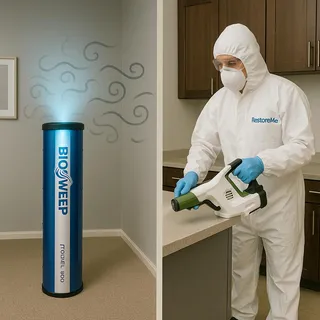
Antimicrobial Cleaning & Treatment
Treating Affected Surfaces as Part of Remediation
Mold and microbial contamination may require specialized cleaning methods based on the affected materials and conditions. Walker’s lists antimicrobial cleaning and treatment among its emergency restoration capabilities. When appropriate, these treatments can be incorporated into the cleanup process to address affected surfaces and support a more thorough restoration.
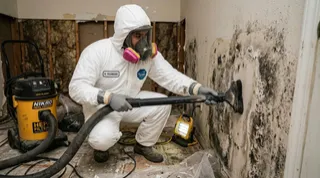
Moisture Assessment & Source Identification
Identifying Moisture Conditions That Contribute to Mold Growth
Excess moisture from leaks, flooding, or damp building materials can create conditions that allow mold and mildew to develop. Identifying affected areas and moisture conditions is an important part of planning the cleanup process. Where water damage is involved, Walker’s restoration services can include water removal and structural drying to help address moisture-related problems.
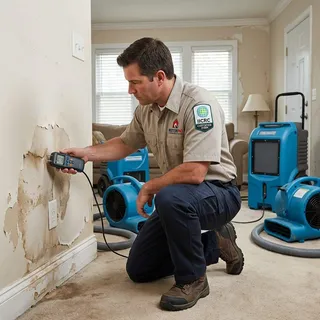
Structural Drying & Dehumidification
Reducing Excess Moisture in Building Materials
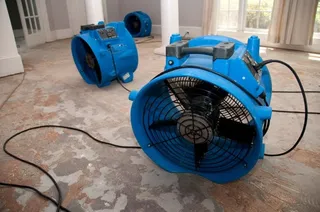
Moisture trapped in drywall, flooring, and other building materials can contribute to recurring mold problems. Walker’s provides water damage restoration, structural drying, and dehumidification to address excess moisture where needed. Proper drying helps reduce conditions that support mold growth. The original moisture source will be addressed.
Contaminated Material Removal
Addressing Materials That Cannot Be Effectively Cleaned
Some materials absorb mold deeply and cannot be safely cleaned, which means they may need to be removed before the rest of the space can be restored. During your initial assessment, Walker's will inspect the damage and let you know if material removal and replacement are right for your project.
Cleaning & Decontamination of Affected Areas
Cleaning Impacted Spaces Following Microbial Growth
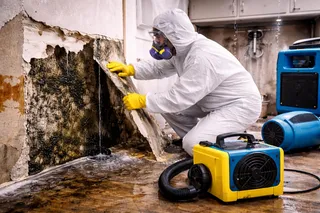
Mold and mildew problems can affect more than one surface or room, particularly when moisture has spread through a property. Walker’s offers decontamination and microbial cleaning to address affected areas as part of its emergency restoration services. The cleaning approach is selected according to the type of contamination, surface materials, and overall condition of the space.
Mold Prevention After Water Damage
Reducing the Risk of Future Mold and Mildew Growth
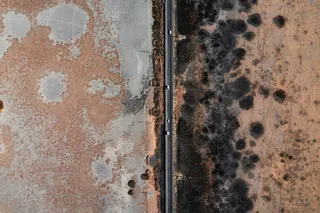
Water damage can leave behind moisture that encourages mold and mildew to develop if affected areas are not dried properly. Walker’s lists moisture prevention measures and mold-prevention treatments among its emergency restoration services. Prompt water removal, appropriate drying, and attention to ongoing moisture sources can help reduce the risk of future growth.
Emergency Mold & Moisture Response
Responding to Urgent Moisture and Mold-Related Problems
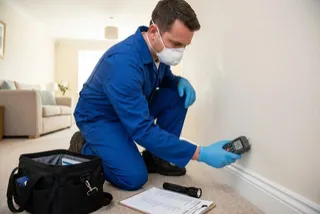
Mold concerns can arise after flooding, plumbing leaks, or other unexpected water damage. Walker’s offers 24/7 emergency restoration response for urgent property damage, including water-related cleanup and microbial treatment services. Rapid response can help address the immediate moisture problem and determine the next steps needed to clean and restore affected areas.
Insurance & Restoration Support
Damage & Loss Documentation
Clear Records to Help Support Your Insurance Claim
Dealing with property damage can be stressful, especially when an insurance claim is involved. Walker’s provides thorough documentation of visible damage, affected areas, and restoration work to establish a clear record of the loss. This documentation can be used to communicate with insurance adjusters, provide relevant details about the damage, and support the claims process. Coverage decisions remain with the insurance company, and documentation does not guarantee claim approval.
Direct Insurance Billing
Helping Simplify the Restoration Billing Process
Managing restoration expenses while navigating an insurance claim can add stress to an already difficult situation. When direct billing arrangements are available, Walker’s coordinates billing directly with the customer's insurance company to address restoration-related expenses. Walker’s also addresses the documentation requirements associated with billing and restoration work to maintain clear records throughout the process. Insurance coverage, deductibles, and payment responsibility depend on the customer's policy and the insurer's determination.
Proudly Serving:
PRINCE WILLIAM COUNTY
Manassas • Manassas Park • Woodbridge • Bristow
Gainesville • Haymarket • Dumfries • Triangle
FAIRFAX COUNTY
Fairfax County & Fairfax City
ARLINGTON COUNTY
Arlington County & Falls Church
LOUDOUN COUNTY
Loudoun County & Leesburg
FAUQUIER COUNTY
Fauquier County & Warrenton
STAFFORD COUNTY
Stafford County & Stafford
CULPEPER COUNTY